
By Ivo Jeramaz, VP of Vineyards and Production & Head Winemaker · Published 8/12/2026
In short: Grgich Hills produces 100% estate-grown Napa Valley Wines from their vineyards according to the Regenerative Organic Certified standard — no synthetic pesticides, herbicides, or fertilizers. We build soil with cover crops, compost, and grazing animals so that balanced, healthy fruit does the work long before the wine reaches the cellar.
Fast Facts
- Estate-grown: 100% of our 365 acres of grapes are farmed on our own Napa Valley vineyards.
- Certification: Regenerative Organic Certified (ROC) officially in 2022, built on certified organic.
- No synthetics: no synthetic pesticides, herbicides, or fertilizers.
- Living soil: cover crops, compost, sheep, and biodiversity build fertility naturally.
- Location: estate vineyards in Rutherford and across Napa Valley in American Canyon, Carneros, Yountville, and Calistoga.
What this guide covers: what estate-grown means, how we farm our vineyards day to day, the role of cover crops and animals, and how those choices reach the glass.
People ask me all the time what “estate-grown” really means, and why we make such a point of it. The short answer is control: when you farm your own land, every decision about the soil and the vine is yours to make. Here is how we farm at Grgich Hills, and why it makes a difference to the wine that ends up in your glass.
What does estate-grown mean at Grgich Hills?
Estate-grown means the grapes in our wines are farmed on our own vineyards, not purchased from other growers. Every bottle traces back to land we tend ourselves.
That matters because it lets us farm to a single standard across everything we make. We are not blending in fruit farmed by someone else’s rules — the Regenerative Organic Certified practices apply to all of it.
How do we farm our vineyards?
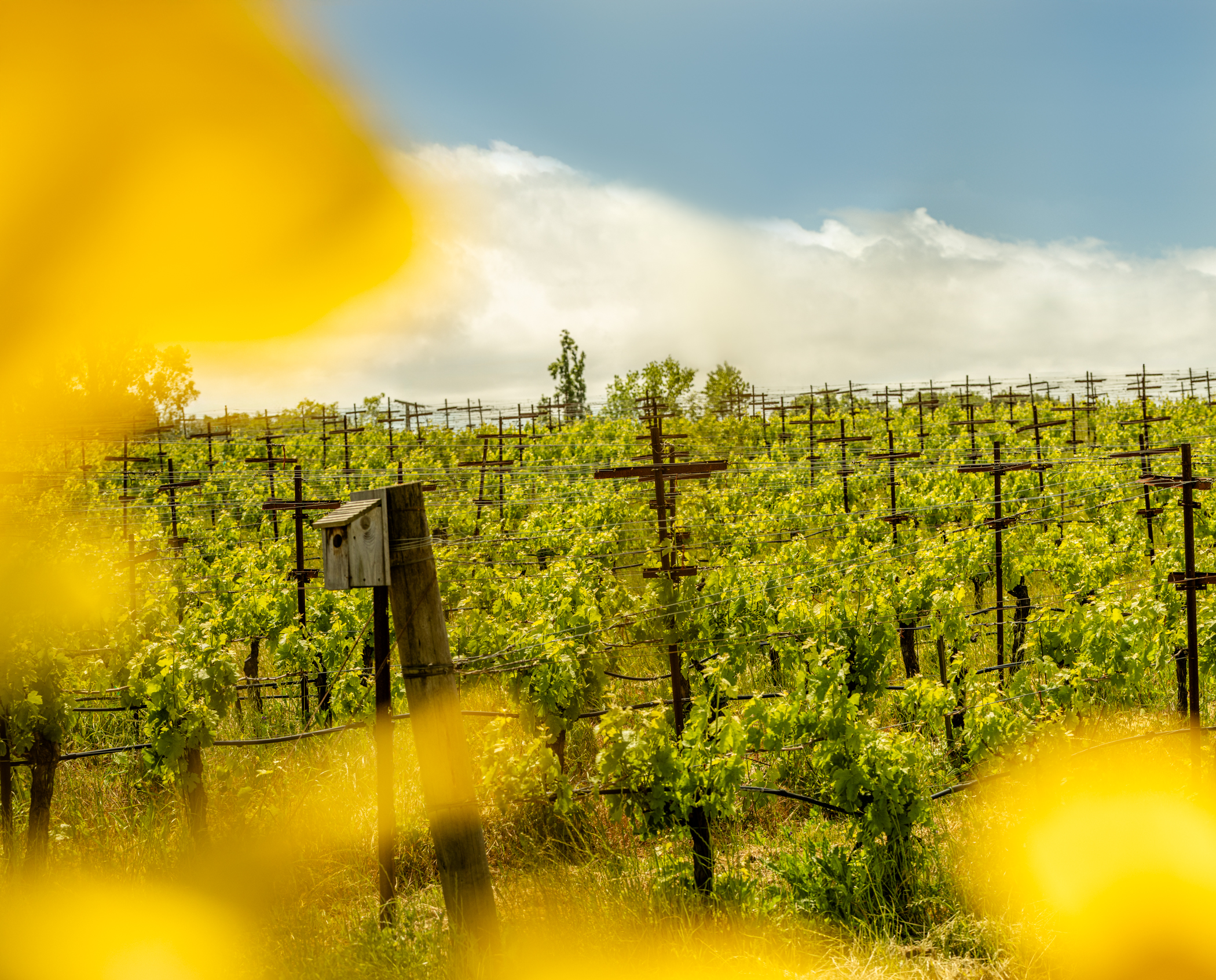
We farm to rebuild the soil, not just to avoid harming it. In practice, that means a set of daily choices:
- No synthetic chemicals: no synthetic pesticides, herbicides, or fertilizers touch our vines.
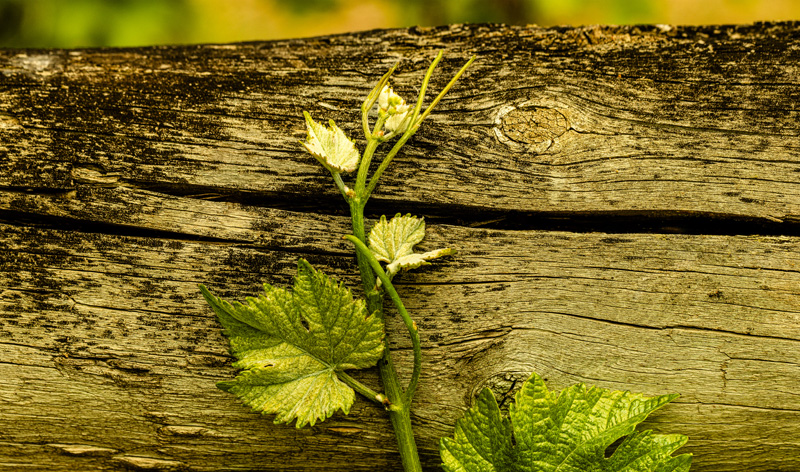
- Cover crops: we plant between the rows to build soil, hold moisture, and prevent erosion.
- Compost: we return organic matter to the ground to feed soil life.
- Grazing animals: sheep manage cover crops and add natural fertility.
- Biodiversity: we make room for beneficial insects, birds, and native habitat.
Our farming at a glance
| Detail | Grgich Hills Estate |
|---|---|
| Sourcing | 100% estate-grown |
| Estate acreage | 365 acres |
| Vineyard areas | Rutherford and other Napa Valley estate sites in American Canyon, Carneros, Yountville, Rutherford, and Calistoga |
| Certification | Regenerative Organic Certified in 2022 (built on organic) |
| Synthetic inputs | None |
| Soil building | Cover crops, compost, grazing animals |
What role do cover crops and animals play?
They replace the chemicals other farms rely on. Cover crops feed the soil and protect it between vintages; sheep graze those crops and return nutrients directly to the ground.
The result is living soil — soil full of biology that holds water, resists disease, and keeps the vine in balance without synthetic help.
How does our farming affect the wine?
Balanced vineyards give balanced fruit. When the grapes arrive with natural acidity and structure, we can do less in the cellar and let the vineyard speak — which is exactly the classic, food-friendly style Grgich Hills is known for.
“Estate-grown is not a slogan for us. It is the only way to be responsible for the whole story of the wine, from the soil to the bottle.” — Ivo Jeramaz, VP of Vineyards and Production & Head Winemaker, Grgich Hills Estate
Frequently Asked Questions
What does estate-grown mean?
Estate-grown means a winery farms the grapes for its wines on its own vineyards rather than buying fruit from other growers. Grgich Hills produces 100% estate-grown Napa Valley wines.
Is Grgich Hills a certified organic winery?
Yes. Grgich Hills farms its estate vineyards organically and to the Regenerative Organic Certified (ROC) standard, which builds on certified organic.
Does Grgich Hills use synthetic pesticides or fertilizers?
No. The estate uses no synthetic pesticides, herbicides, or fertilizers, relying instead on cover crops, compost, and grazing animals to build soil health.
Why does Grgich Hills use sheep in the vineyard?
Sheep graze the cover crops between the rows and return nutrients to the soil naturally, reducing the need for mowing and synthetic inputs while supporting living soil.
Where are Grgich Hills’ vineyards?
Grgich Hills farms estate vineyards in Rutherford and across Napa Valley in American Canyon, Carneros, Yountville, and Calistoga
See our vineyards for yourself
The clearest way to understand estate-grown farming is to walk the rows. Reserve a tasting at Grgich Hills in Rutherford, or read our winemaker’s full guide to regenerative organic farming.
About the author
Ivo Jeramaz is VP of Vineyards and Production & Head Winemaker at Grgich Hills Estate. Growing up in Croatia, his family farmed naturally without chemicals, a philosophy that stuck with him and inspired his passion for regenerative agriculture. Now, he is considered one of the pioneers of the regenerative viticulture movement