



By Ivo Jeramaz, VP of Vineyards and Production & Head Winemaker · Published 8/12/2026
In short: Regenerative Organic farming, or being Regenerative Organic Certified (ROC), is the most rigorous standard in agriculture: it builds on certified organic and adds required benchmarks for soil health, animal welfare, and farmworker fairness. At Grgich Hills Estate, we farm our estate vineyards in Napa Valley this way because healthier soil grows healthier vines — and healthier vines make wines that taste of this place.
Fast Facts
- What it is: Regenerative Organic Certified (ROC) — a farming standard built on top of certified organic.
- Three required pillars: soil health, animal welfare, and farmworker fairness.
- At Grgich Hills: 100% estate-grown in Napa Valley, 365 acres in total and farmed without synthetic pesticides, herbicides, or fertilizers.
- Our history: years of organic and biodynamic practice preceded the 2022 ROC certification. The 2023 vintage was the first to be labeled Regenerative Organic Certified (ROC)
- Why it matters: living soil produces balanced fruit — the foundation of wines built to age.
What this guide covers: what regenerative organic farming is, how it differs from “organic” and “sustainable,” why we farm this way at Grgich Hills, what it looks like in our vineyards, and how it shows up in the wine.
I have farmed these vineyards for most of my life, and I can tell you the wine is made in the soil long before it reaches the cellar. “Regenerative organic” is a phrase people hear often now, but few can say what it actually means. Let me explain it plainly — what the standard requires, how it differs from the labels you already know, and why we chose to farm this way at Grgich Hills.
What is regenerative organic farming?
Regenerative organic farming is an approach that works to rebuild the soil rather than simply avoid harming it. Where conventional farming feeds the plant with synthetic inputs, regenerative farming feeds the soil — the living system that feeds the plant.
The formal benchmark is Regenerative Organic Certified (ROC), overseen by the Regenerative Organic Alliance. To earn it, a farm must first be certified organic, then meet additional requirements across three pillars: soil health, animal welfare, and social fairness for the people who do the work.
How is regenerative organic different from “organic” or “sustainable”?
“Organic” tells you what a farm does not use. “Sustainable” is a broad idea with no single definition. Regenerative Organic Certified is stricter and more specific than either — it uses organic as the floor, not the ceiling.
| Conventional | Certified Organic | Regenerative Organic Certified | |
|---|---|---|---|
| Synthetic pesticides & fertilizers | Permitted | Prohibited | Prohibited |
| Soil-health requirements | None | Limited | Required and measured |
| Animal welfare standards | None required | Not required | Required |
| Farmworker fairness standards | None required | Not required | Required |
| Oversight | None | USDA / CCOF | Regenerative Organic Alliance (on top of organic) |
In short: every ROC farm is organic, but very few organic farms meet the ROC standard.
Why do we farm regeneratively at Grgich Hills?
We farm this way because it makes better wine, and because it is the right way to treat the land. Our founder, Miljenko “Mike” Grgich, believed wine is grown, not manufactured — and that belief pushed us toward organic and then regenerative practice long before it was fashionable.
Living soil holds water better, resists disease better, and gives the vine balance. Balanced vines give us fruit with natural structure and acidity — the same qualities that let our wines reward both the table and the cellar.
What does regenerative farming look like in our vineyards?
It is daily, hands-on work rather than a certificate on the wall. In practice, it looks like this:
- No synthetic chemicals: we use no synthetic pesticides, herbicides, or fertilizers.
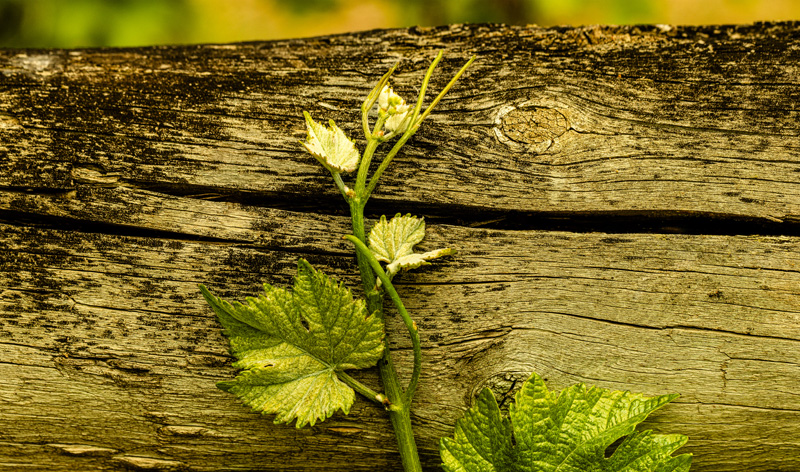
- Cover crops: we plant between the rows to feed the soil and prevent erosion.
- Compost, not additives: we return organic matter to the soil to build fertility.
- Animals in the vineyard: sheep graze cover crops and add natural fertility.
- Biodiversity: we create habitats for beneficial insects and birds around the vines.
“This way of farming is not a marketing tool to us — it is the whole job. Take care of the ground, and the vine takes care of the wine.”— Ivo Jeramaz, VP of Vineyards and Production & Head Winemaker, Grgich Hills Estate
How does regenerative farming show up in the wine?
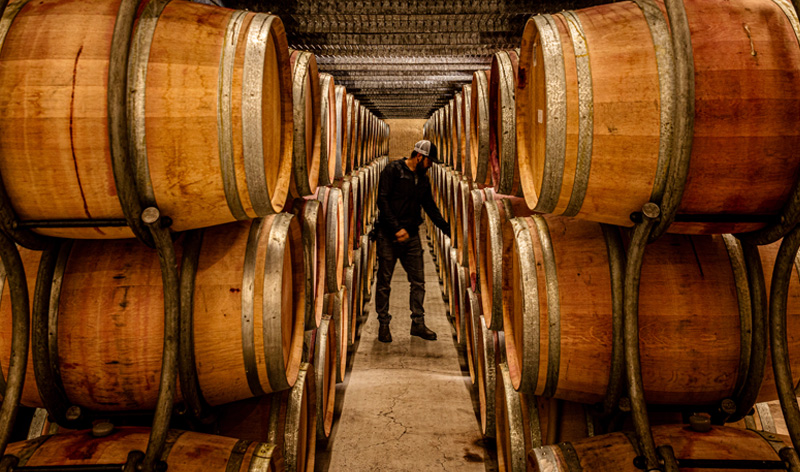
You cannot taste a certification, but you can taste balance. Fruit grown in living soil tends to arrive with natural acidity and structure, which means we can intervene less in the cellar and let the vineyard speak.
That is why our wines lean toward freshness and age-worthiness rather than weight — the character starts in the ground.
Frequently Asked Questions
What is regenerative organic farming?
It is a farming approach that rebuilds soil health rather than only avoiding harm. The formal standard, Regenerative Organic Certified (ROC), requires certified-organic farming plus additional benchmarks for soil health, animal welfare, and farmworker fairness.
What certifications does Grgich Hills have?
Grgich Hills Estate farms its Napa Valley vineyards to the Regenerative Organic Certified (ROC) standard, which builds on certified-organic farming.
Are Grgich Hills wines biodynamic?
The estate farms to the Regenerative Organic Certified standard, which incorporates organic and regenerative practices developed over decades. We began farming biodynamically in 2003, and still implement these practices across all five of our vineyards, but do not certify through Demeter.
Is Grgich Hills estate-grown?
Yes. Grgich Hills is 100% estate-grown, meaning the grapes for our wines are farmed on our own Napa Valley vineyards rather than purchased — which is what makes farming decisions like ROC possible across every bottle.
How is regenerative organic different from sustainable?
“Sustainable” has no single legal definition. Regenerative Organic Certified is a specific, audited standard that requires organic farming plus measured soil, animal-welfare, and social-fairness benchmarks.
See how we farm — visit the estate
The best way to understand regenerative organic farming is to stand in a living vineyard. Reserve a tasting at Grgich Hills in Rutherford to see the soil, the cover crops, and the wines they produce — or read more about how we farm, vine by vine.
About the author
Ivo Jeramaz is VP of Vineyards and Production & Head Winemaker at Grgich Hills Estate, where he has farmed and made wine for over forty years. Growing up in Croatia, his family farmed naturally without chemicals, a philosophy that stuck with him and inspired his passion for regenerative agriculture. Now, he is considered one of the pioneers of the regenerative viticulture movement.